Cisco DNA Center
2017–2020
As design leader in Cisco’s Enterprise Networking group from 2017 to 2020, I built a team of eight designers in San Jose and Bangalore. Cisco built amazing networking hardware, but it wasn’t often powered by great software. We designed every step of an admin’s first day, Day 0, and the days after it, in Cisco DNA Center for SD-WAN.
Problem
Admins set up their networks by hand, with scripts and as many as four outside tools. On average, setup took 83 days.

Approach
Every feature got its own team, a size and a drop date.

Discovery
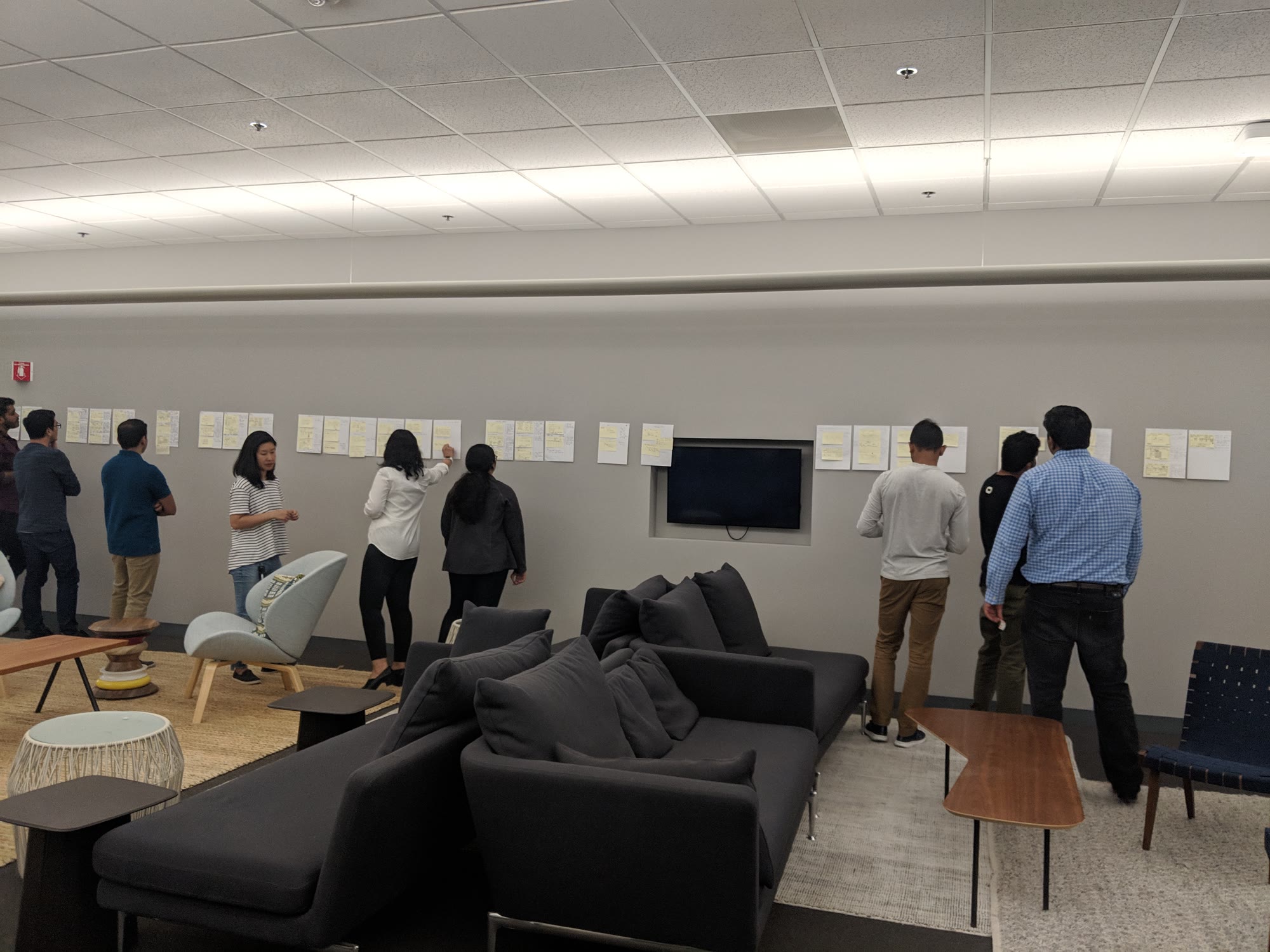
Every feature began with a kickoff and its own team: designers, a PM, a UI developer and a TME. In our first workshop, customers, product and engineering mapped how a network gets planned, designed, secured and deployed, then voted on where it hurts. The wall said it plainly: no command line, everything driven by policy, and far too many tools.
Design
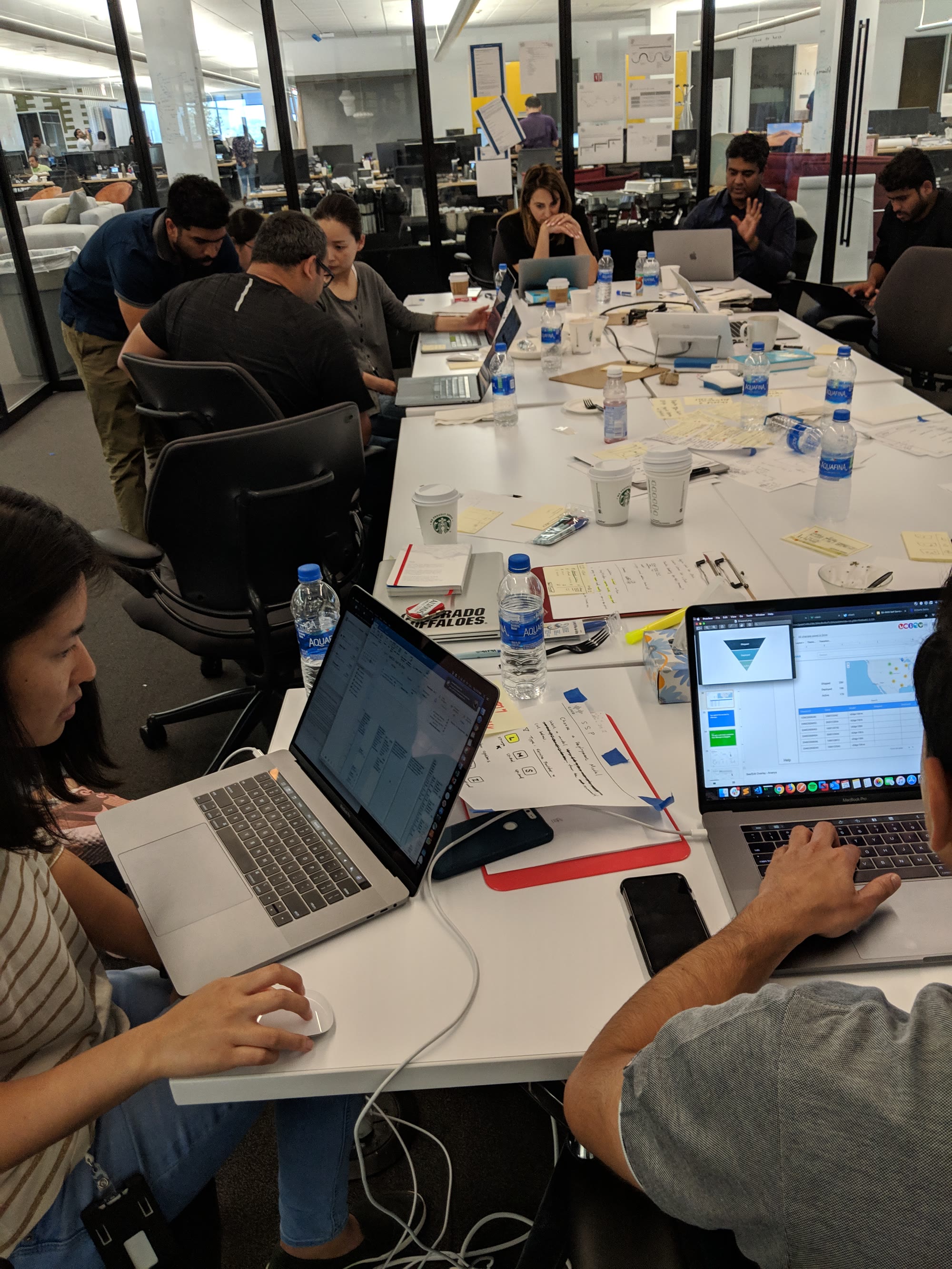
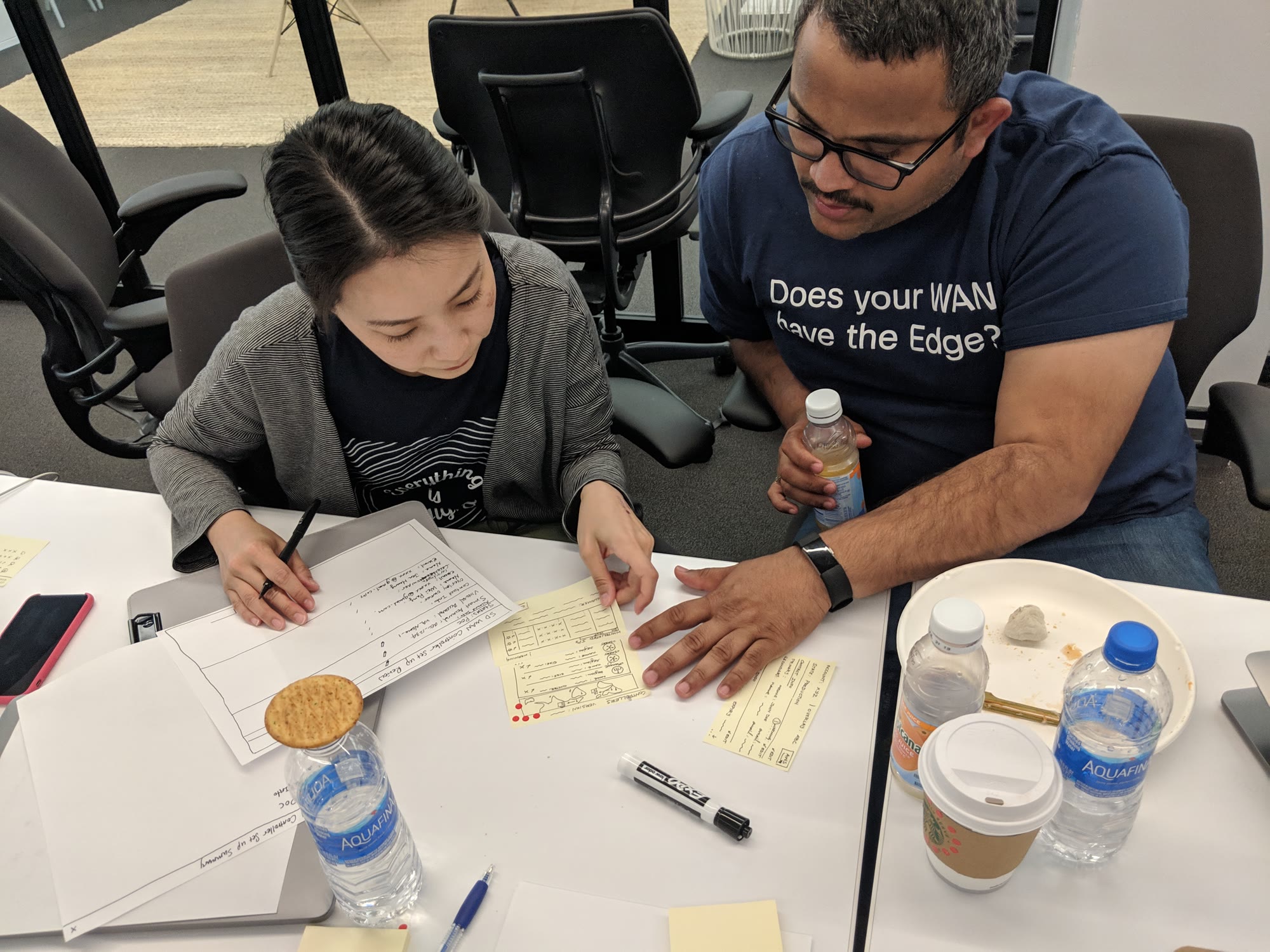
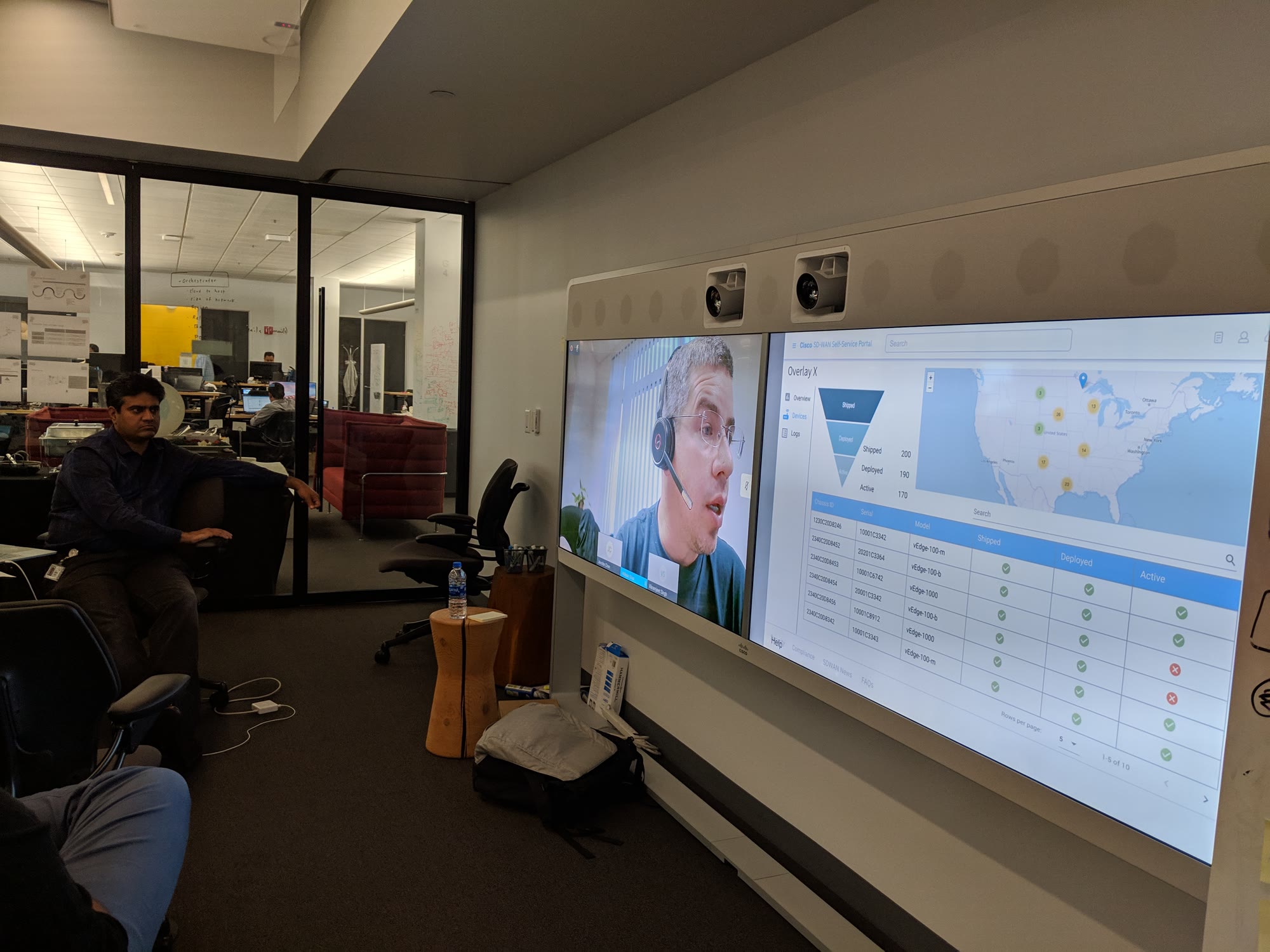
Sketches became wireframes, then visual design, then prototypes, with checkpoints at 20% and 80% of every feature. For the bets we couldn’t staff, we ran five-day design sprints. For the self-service portal we sketched 33 solutions, voted and storyboarded the winners. A troubleshooting sprint taught me the harder lesson: with no real customers in the room, a sprint only confirms what you already think.
Exploration
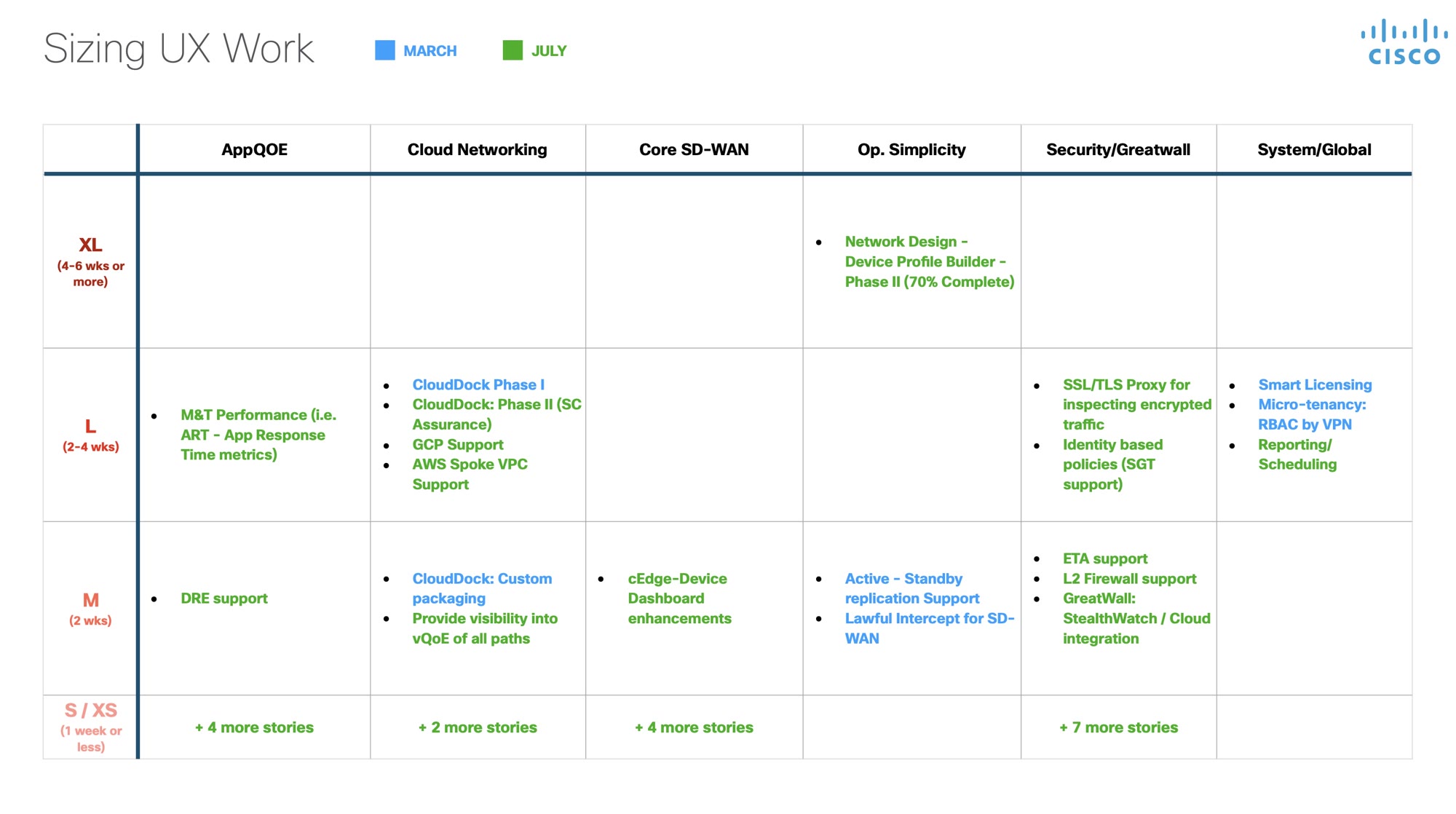
We prototyped to tell a story, then put it in front of the people who would use it: partners by the Friday of a sprint, and 14 customers for Getting Started. Every feature was sized at kickoff, XL to S, so the biggest work was designed first and the smallest got a QA pass instead. Final reviews ended in sign-off and a drop date, after which nothing changed without a reason.


What it became
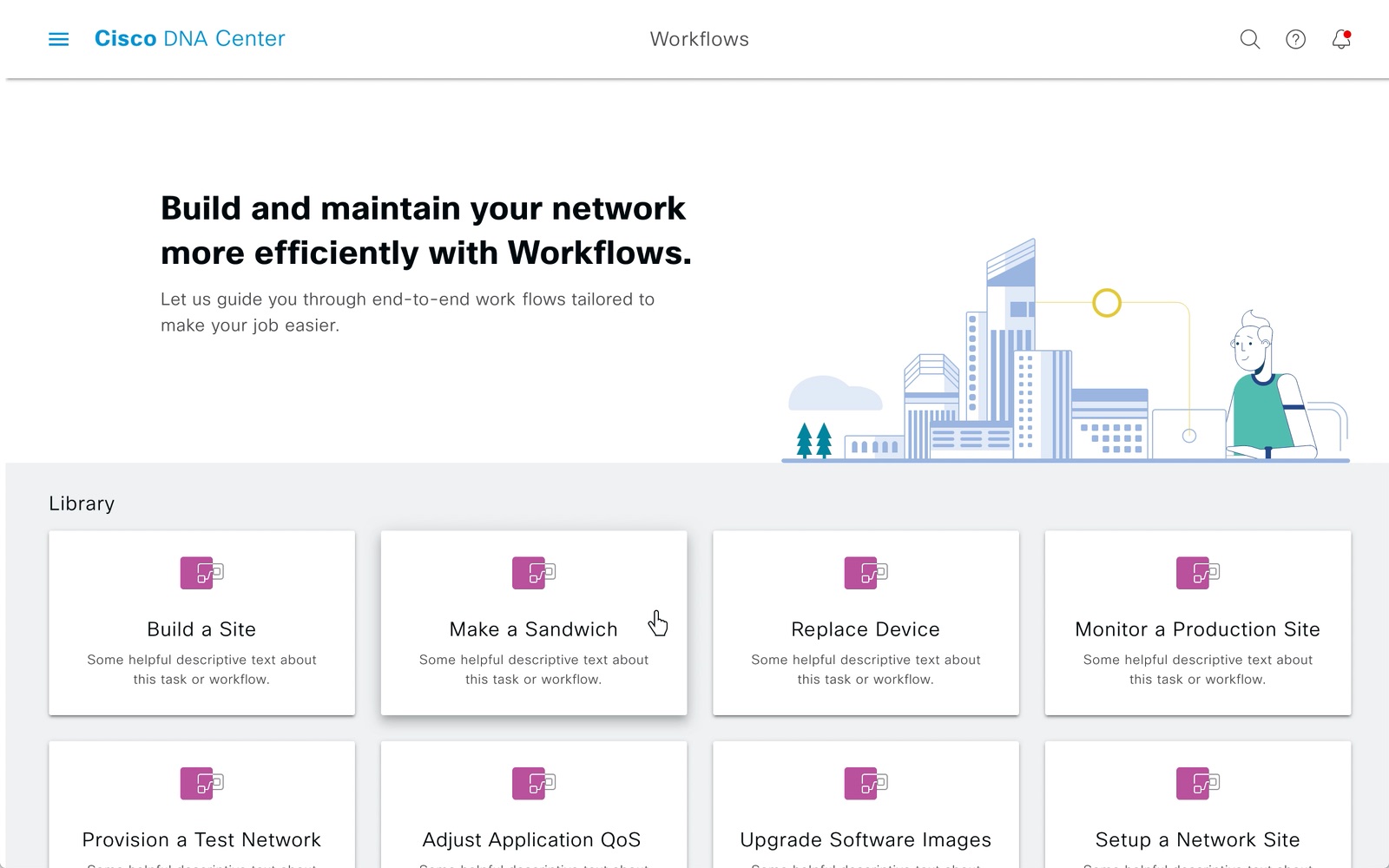
DNA Center is now Cisco Catalyst Center, and what we built for it kept going. Cohesion, the design system we made so every Enterprise Networking product looked and worked the same, gave us guided workflows for any task: build a site, replace a device, upgrade software, each in a few steps that end with what to do next. Many of the components I built went into Momentum, the design system Cisco’s Webex products are built on.